Tattoos have become a popular form of self-expression, but sometimes people may regret their decision or simply want to remove or fade their tattoos for various reasons. While tattoo removal procedures have existed for some time, advancements in technology have led to the development of more effective techniques. One of the most popular methods for tattoo removal is laser treatment, which is known for its ability to significantly lighten or even completely remove tattoos. But can Laser Tattoo Removal Dubai completely fade tattoos? Let’s explore this in detail.
How Does Laser Tattoo Removal Work?
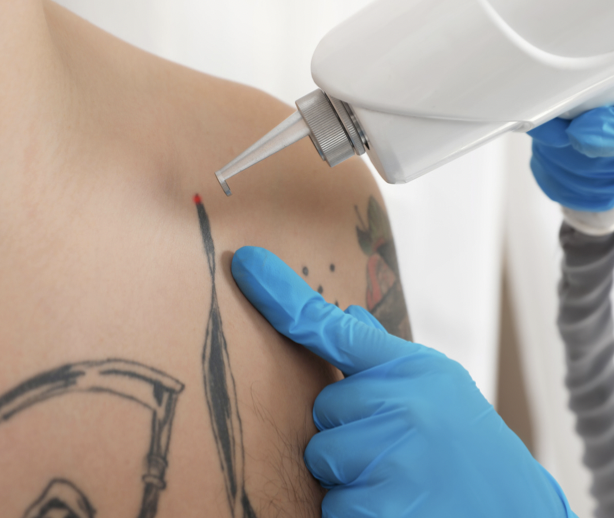
Laser tattoo removal involves the use of specialized laser technology that targets tattoo pigments. The laser emits intense pulses of light that break down the ink particles in the tattoo. Once broken down, the ink is absorbed and processed by the body’s immune system, which gradually eliminates the ink over time. Different wavelengths of light are used to target various tattoo colors, making it possible to treat tattoos with a range of shades.
The Effectiveness of Laser Tattoo Removal
Laser tattoo removal is widely considered to be the most effective method for fading or removing tattoos, but it’s important to understand that the degree of success can vary. The results depend on several factors, including the type of tattoo, the color of ink used, and the skin type of the individual receiving the treatment.
Tattoo Size and Ink Density
Larger tattoos or those with heavy ink density may require more sessions to achieve complete fading or removal. The more ink there is in the skin, the harder it is for the laser to break down all the pigment in one session. Smaller tattoos, on the other hand, typically require fewer treatments. If the tattoo is very dense or has been applied with deep ink, it may take longer to see significant results.
Color of the Tattoo
The color of the tattoo plays a significant role in how well it will respond to laser treatment. Some colors are more difficult to remove than others. For instance, black ink tends to respond well to most types of laser treatments, as the laser light is easily absorbed by black pigments. However, colors such as green, blue, and purple may be more challenging to fade or remove. Different wavelengths of light are required to target different colors, and some pigments are more resistant to laser energy than others.
Skin Type and Tattoo Location
The effectiveness of laser tattoo removal can also be influenced by the individual’s skin type and the location of the tattoo. Lighter skin types typically respond better to laser treatments because there’s less melanin to absorb the laser light. Darker skin types may require more caution, as the laser could potentially affect the surrounding skin tissue. Additionally, tattoos on certain areas of the body may fade more easily, while others might be more difficult to treat due to factors like blood circulation or skin thickness.
How Many Sessions Are Needed for Complete Fading?
One of the most common questions people have regarding laser tattoo removal is how many sessions it will take to completely fade or remove a tattoo. The number of sessions required depends on the factors mentioned earlier, such as the size, color, and depth of the tattoo. In general, most people will require multiple sessions to see noticeable results. Typically, laser tattoo removal sessions are spaced a few weeks apart to allow the skin to heal and for the body to process the ink.
For small tattoos, a few sessions may be sufficient to achieve significant fading, while larger or more complex tattoos may require anywhere from 6 to 12 sessions or more. It’s important to be patient, as the process can take time. While some people may see a complete removal of their tattoo, others may experience a partial fading, depending on the factors involved.
Can Laser Tattoo Removal Completely Remove a Tattoo?
While laser tattoo removal is highly effective, it’s important to understand that not all tattoos will be completely removed. In many cases, tattoos will fade significantly, but some remnants of the design may still be visible. This is especially true for tattoos with certain colors, deep ink layers, or tattoos that have been applied with more complex techniques. Certain pigments, particularly those used in cosmetic tattoos or tattoos with stubborn colors, can be very resistant to laser treatment. In some cases, the laser may not be able to break down the ink enough to achieve complete removal. Additionally, older tattoos or those that have been poorly applied may not respond as well to treatment.

The Role of the Immune System in Tattoo Fading
The body’s immune system plays a significant role in the process of tattoo removal. After the laser breaks down the ink particles, the body’s immune system works to remove the ink from the skin. The immune system recognizes the ink particles as foreign and begins to flush them out over time. However, the body’s ability to remove the ink can vary depending on factors such as the individual’s overall health and the size and depth of the tattoo. In some cases, the immune system may be able to remove all the ink particles over time, resulting in complete fading or removal. However, for larger or deeper tattoos, the immune system may not be able to remove all the ink, which is why some tattoos may not be fully eliminated.
Scarring and Skin Changes
While laser tattoo removal is generally considered safe, it’s essential to understand that there is a possibility of scarring or changes to the skin, especially with multiple sessions. The laser treatment can cause some degree of damage to the skin tissue, which may result in scarring if not properly managed. To minimize the risk of scarring, it’s important to follow proper aftercare instructions and avoid picking or scratching the treated area. In some cases, the skin may experience temporary changes, such as light or dark spots, after laser treatment. These changes usually fade over time, but they can be a concern for some individuals. It’s essential to consult with a professional to determine the best course of treatment and avoid potential complications.
Factors That Influence the Outcome
Several factors can affect the outcome of laser tattoo removal, including:
Tattoo age – Older tattoos may respond better to laser treatment than newer ones.
Tattoo location – Tattoos on areas with better blood circulation may fade more easily.
Skin type – Lighter skin types often respond better to laser treatments than darker skin tones.
Tattoo color – Some colors are more challenging to remove than others, especially stubborn pigments like green and yellow.
Depth of ink – Deeper ink may take longer to fade or require more sessions for removal.
Conclusion
Laser Tattoo Removal in Dubai is an effective treatment for fading or completely removing tattoos, but it’s not a guaranteed process for everyone. Factors such as tattoo size, color, ink density, and skin type can all influence the results. While many people achieve significant fading or complete removal, some tattoos may remain partially visible after treatment. Patience and multiple sessions are often required, and it’s essential to understand that results can vary based on the individual’s circumstances. If you’re considering tattoo removal, it’s always best to consult with a professional to assess your options and set realistic expectations for the outcome.