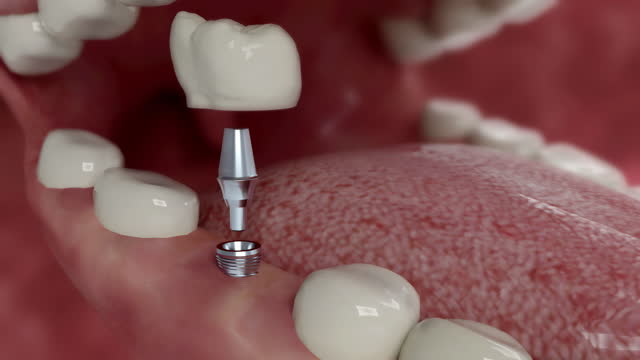
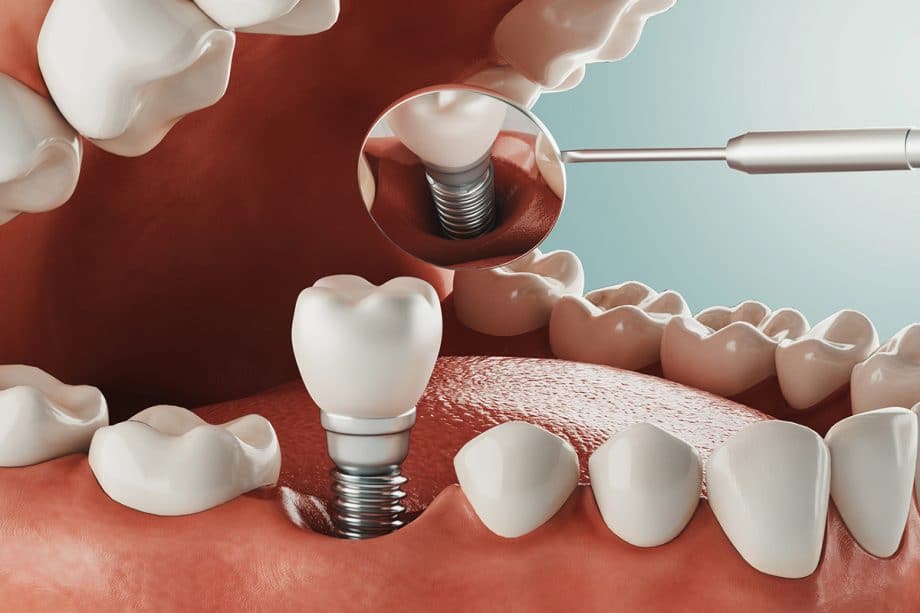
Dental implants have revolutionized the way people address missing teeth. Unlike temporary solutions, implants provide a lasting, natural-looking option that restores both function and aesthetics. This article explores how dental implants serve as a permanent solution to missing teeth and why they are considered a preferred choice in modern dentistry. Dental Implants Dubai are small titanium posts surgically placed into the jawbone beneath the gums. Once positioned, these implants act as artificial tooth roots, providing a strong foundation for replacement teeth such as crowns, bridges, or dentures. The unique design allows them to integrate naturally with the bone through a process called osseointegration, ensuring stability and durability.
How Dental Implants Restore Functionality
Missing teeth often affect chewing, speaking, and overall oral function. Dental implants restore these abilities by anchoring replacement teeth firmly in place. This allows individuals to eat a wide variety of foods without discomfort or fear of dentures slipping. The stability offered by implants makes daily activities easier and more comfortable, contributing to better nutrition and confidence.
Aesthetic Benefits of Dental Implants
One of the significant advantages of dental implants is their natural appearance. Implants support crowns or bridges that match the color, shape, and size of surrounding teeth. This seamless integration helps maintain a person’s natural smile and facial structure. Unlike traditional dentures, implants do not cause bone loss in the jaw, which can change facial features over time.
Long-Term Durability and Stability
Dental implants are designed to be a long-lasting solution. Their integration with the jawbone creates a firm bond that can withstand the forces of biting and chewing for many years. This durability means that, with proper oral hygiene, implants can last a lifetime, making them an excellent investment for oral health and function.
Impact on Oral Health and Bone Preservation
When a tooth is lost, the jawbone underneath begins to deteriorate due to lack of stimulation. Dental implants mimic the root of a natural tooth, stimulating the bone and preventing bone loss. This preservation of the jawbone helps maintain the shape and strength of the face, which is essential for overall oral health.
Dental Implants and Improved Self-Esteem
Missing teeth can lead to self-consciousness and social discomfort. Dental implants restore a complete smile, boosting confidence and encouraging more natural social interactions. People with implants often report feeling better about their appearance and experience improved mental well-being.
How Dental Implants Compare to Other Solutions
Unlike removable dentures or fixed bridges that may require alteration of adjacent teeth, dental implants preserve healthy surrounding teeth. They provide an independent support system, avoiding unnecessary damage to neighboring teeth. This aspect makes implants a more conservative and protective choice for oral structures.
The Process of Receiving Dental Implants
Receiving dental implants involves a carefully planned process. It starts with an evaluation of oral health and bone density. The implant is then surgically placed into the jawbone, followed by a healing period during which the implant bonds with the bone. After healing, a permanent replacement tooth is attached, restoring full function and appearance.
Who Can Benefit from Dental Implants?
Most individuals who are missing one or more teeth and have adequate bone density are candidates for dental implants. Age is not a limiting factor as implants can be successful for adults of all ages. A commitment to good oral hygiene and regular dental visits supports the long-term success of implants.
Maintaining Oral Health with Dental Implants
While dental implants are highly durable, maintaining good oral hygiene is essential to preserve their condition. Regular brushing, flossing, and dental check-ups ensure that the surrounding gums and bone stay healthy. Healthy gums provide the support implants need to remain stable and functional.
The Psychological and Social Impact of Dental Implants
Replacing missing teeth with implants can profoundly affect quality of life. People often feel more comfortable smiling, speaking, and engaging socially without fear of embarrassment. This positive change can lead to increased opportunities in personal and professional settings.
Advancements in Dental Implant Technology
Continuous advancements in implant technology have made the procedure more accessible and predictable. Improvements in materials and surgical techniques contribute to higher success rates and shorter healing times. These innovations allow for tailored treatments that suit individual patient needs and preferences.
Dental Implants and Jawbone Health Over Time
Because dental implants stimulate the jawbone, they help maintain bone volume and density. This is crucial in preventing the sunken facial appearance commonly associated with tooth loss. Maintaining a strong jawbone also supports the surrounding natural teeth and overall oral structure.
Addressing Multiple Missing Teeth with Implants
For individuals missing several teeth, dental implants can support bridges or full-arch prosthetics. This approach offers a stable and permanent alternative to traditional dentures, improving comfort and function. Implants restore the ability to bite and chew naturally, even with extensive tooth loss.
The Role of Implants in Full Mouth Restoration
In cases of complete tooth loss, dental implants enable the placement of a full set of replacement teeth. This restoration restores both the look and function of natural teeth. Patients benefit from improved speech, eating habits, and facial aesthetics with implant-supported prosthetics.
The Importance of Bone Health for Implant Success
Strong and healthy bone is essential for implant stability. When bone loss is significant, bone grafting procedures can help rebuild the jawbone to support implants. These preparatory steps ensure the foundation is sufficient for a successful implant placement.
Comfort and Convenience with Dental Implants
Unlike removable dentures that can cause discomfort and require daily removal, dental implants become part of the mouth’s structure. This integration means no need for adhesives or special cleaning routines beyond standard oral care. The convenience and comfort provided by implants contribute to their popularity.
How Dental Implants Support Long-Term Oral Wellness
Dental implants help preserve natural teeth and jawbone, which are vital components of oral health. They prevent shifting of adjacent teeth, reduce risk of gum disease, and maintain facial structure. This comprehensive support promotes overall oral wellness for years to come.
The Emotional Relief of Permanent Tooth Replacement
Losing teeth can be distressing and impact emotional well-being. Dental Implants in Dubai offer a sense of permanence and reliability, alleviating worries related to tooth loss. Knowing that a stable and natural-looking solution is in place can significantly improve one’s outlook and happiness.
Future-Proofing Your Smile with Dental Implants
Because dental implants integrate directly with bone, they provide a resilient and future-proof solution. Unlike other tooth replacements that may require frequent adjustments or replacements, implants remain firmly anchored. This longevity means fewer disruptions and more enjoyment of a healthy smile over time.
Summary
Dental implants stand out as a permanent way to address missing teeth due to their ability to restore function, aesthetics, and oral health simultaneously. Their stability, durability, and natural look make them a superior option to other temporary or removable tooth replacements. By preserving bone health and supporting surrounding teeth, implants contribute to long-term oral wellness and improved quality of life.