Getting a tattoo is often a bold and meaningful decision, but over time, some people might want to have their tattoos removed. Whether due to a change in personal preferences or a desire for a fresh start, laser tattoo removal is one of the most popular and effective ways to remove unwanted tattoos. This article explains the Laser Tattoo Removal Dubai for those considering this procedure for the first time, shedding light on how it works and what you can expect.
What is Laser Tattoo Removal?
Laser tattoo removal is a non-invasive procedure that uses high-intensity light beams to break down the ink particles in a tattoo. The process targets the pigments in the skin, shattering them into smaller fragments, which are then absorbed by the body’s immune system over time. This technique is effective for a wide range of tattoos, from small designs to large, intricate pieces.
How Does Laser Tattoo Removal Work?
The primary mechanism behind laser tattoo removal is the use of laser light. Different wavelengths of light are used to target specific colors of tattoo ink. The laser energy is absorbed by the tattoo pigments, causing them to heat up and break apart. Once the ink is fragmented into smaller particles, the body’s lymphatic system works to flush out these particles naturally. The process is gradual, with multiple sessions often required to achieve the desired result.
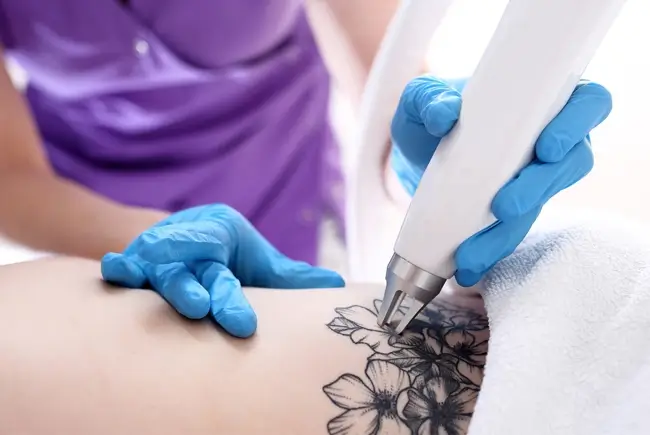
The Laser Tattoo Removal Process
The process typically begins with a consultation, during which the tattoo and the skin’s condition are assessed. During the procedure, the patient is positioned comfortably, and the laser is applied to the tattooed area. A cooling device is often used to minimize discomfort and protect the surrounding skin. The laser pulses are targeted at the tattooed area, and depending on the size and complexity of the tattoo, the session can last anywhere from a few minutes to over an hour.
What to Expect During a Session
While the pain associated with laser tattoo removal varies from person to person, many individuals compare it to the feeling of a rubber band snapping against the skin. The intensity of discomfort depends on the location of the tattoo, the size, and the depth of the ink. Some areas, such as the ribs or ankles, may be more sensitive than others. A topical numbing cream is often applied to reduce discomfort, and the process is relatively quick.
How Many Sessions Will You Need?
The number of sessions required for complete tattoo removal depends on several factors, including the size, color, and location of the tattoo, as well as the type of ink used. On average, it may take anywhere from 6 to 12 sessions for complete removal. However, it’s important to note that tattoos with darker pigments and more vibrant colors may require additional sessions. Each session is spaced several weeks apart to allow the body to process and eliminate the ink particles.
Does Laser Tattoo Removal Leave Scars?
Scarring is a concern for many individuals considering tattoo removal, but modern laser technology minimizes the risk of permanent scarring. The procedure is designed to remove the tattoo ink without damaging the surrounding skin. However, as with any medical procedure, there is always a small risk of side effects, such as temporary skin discoloration. In most cases, any changes to the skin's appearance are temporary and resolve over time.
The Healing Process
After a laser tattoo removal session, you may experience some redness, swelling, and mild discomfort in the treated area. This is a normal part of the healing process and usually subsides within a few hours to a few days. The treated area may also form scabs or crusts, which should not be picked at to avoid scarring. Over the following weeks, the body will continue to break down and eliminate the ink particles, gradually lightening the tattoo until it fades significantly.
The Importance of Patience
Laser tattoo removal is not an overnight process, and it requires patience. The treatment works gradually, and it may take several months for the tattoo to fade completely. Each session contributes to the removal process, and it’s essential to follow the recommended timeline for treatment. Rushing the process or undergoing sessions too close together can interfere with the body’s ability to heal and remove the ink effectively.

Choosing the Right Laser Tattoo Removal Provider
When considering laser tattoo removal, it’s important to choose a reputable provider who specializes in the procedure. A skilled practitioner will assess your skin type and tattoo characteristics to determine the best approach for your treatment. Be sure to ask about the technology being used and whether the provider has experience with tattoos similar to yours. A consultation will give you a better understanding of the process and what to expect during the sessions.
Preparing for Your First Session
Before your first laser tattoo removal session, there are a few steps to take in preparation. You should avoid tanning or sun exposure on the tattooed area, as this can affect the effectiveness of the treatment. It's also important to inform your provider of any medications or skin conditions that may affect the procedure. On the day of the session, make sure to wear loose, comfortable clothing, especially if the tattoo is in an area that requires easy access.
How Long Does It Take to See Results?
The results of laser tattoo removal are not immediate. It can take several weeks for the tattoo to start fading after the first session, and the full results may not be visible until after multiple treatments. Over time, the tattoo will become lighter and less noticeable, with the goal of complete removal. Your provider will track your progress and adjust the treatment plan as needed.
Risks and Expectations
While laser tattoo removal is generally safe, it’s important to have realistic expectations about the results. In some cases, complete removal may not be possible, especially with certain ink colors or older tattoos. The procedure can also cause temporary discoloration, swelling, or scarring, although these issues typically resolve themselves in time. It's important to follow the guidance of your provider throughout the treatment process and communicate any concerns along the way.
Conclusion
Laser Tattoo Removal in Dubai is an effective and widely-used method for removing unwanted tattoos. The process uses laser technology to break down the ink particles in the skin, allowing the body to naturally eliminate them over time. Although the procedure requires multiple sessions and patience, it offers a safe and efficient way to fade or remove tattoos completely. If you’re considering laser tattoo removal, take the time to research the process, find a trusted provider, and prepare yourself for a gradual journey to clearer skin.